

Blog
Cushing’s Syndrome or Hyperadrenocorticism in Dogs

Hyperadrenocorticism, also known as Cushing’s syndrome, is a common endocrine disorder of dogs characterized by chronic overproduction of cortisol by the adrenal glands. Cortisol is a vital hormone; however, elevated levels can have significant effects on the body. The condition occurs mainly in middle-aged and older dogs and requires early diagnosis and regular monitoring.
Causes of Hyperadrenocorticism
- Pituitary Dependent Hyperadrenocorticism (PDH)
It accounts for approximately 80–85% of cases. It is usually caused by a benign tumor of the pituitary gland, which causes hypersecretion of adrenocorticotropic hormone (ACTH). ACTH stimulates the adrenal glands, leading to increased cortisol production. - Adrenal Type (ADH – Adrenal Dependent Hyperadrenocorticism)
It accounts for approximately 15–20% of cases and is caused by a tumor in one of the adrenal glands (benign or malignant), resulting in autonomous cortisol production. - Iatrogenic Hyperadrenocorticism
It results from long-term or inappropriate use of glucocorticoids (cortisone). It is most commonly observed in dogs with chronic skin conditions, autoimmune diseases, neurological conditions or orthopedic pain.

Clinical Signs
The severity and presentation of symptoms depend on the duration and level of hypercortisolemia. The most common clinical signs include:
- Polyuria – polydipsia
- Polyphagia
- Muscle weakness and atrophy
- Abdominal distension (“pot-bellied” appearance)
- Lethargy and reduced exercise tolerance
- Skin lesions
- Hypotrichosis or symmetrical alopecia
- Thinning and increased fragility of the skin
- Hyperpigmentation
- Recurrent skin infections
The disease occurs mainly in dogs over six years of age, although the iatrogenic form can occur at any age.

Diagnosis
Diagnosis of Cushing’s syndrome requires a combination of clinical signs, medical history, and specialized tests. Initial diagnostic testing includes:
- Complete blood count (CBC)
- Blood chemistry panel (liver, kidneys, lipid parameters)
- Urinalysis
- Specialized Endocrine Tests
- Low-dose dexamethasone suppression test (LDDST)
- ACTH stimulation test
- ACTH levels measurement
- Additional imaging tests may include:
- Abdominal ultrasound
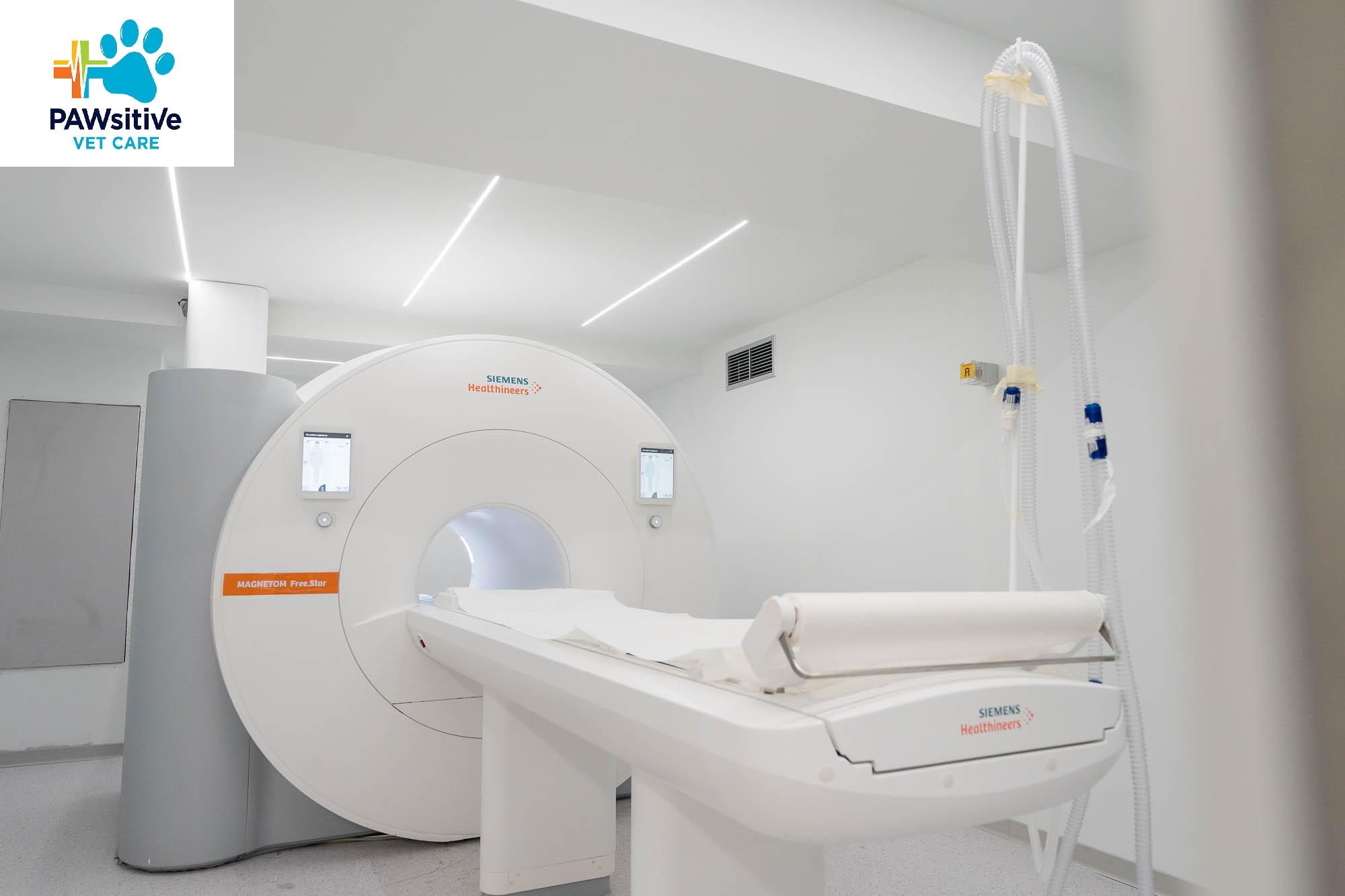
- CT or MRI of the brain (in selected cases)
Treatment
Treatment depends on the type of hyperadrenocorticism and the animal’s overall condition. Cushing’s syndrome is a chronic but manageable condition. With proper diagnosis, individualized treatment, and regular monitoring, most dogs can maintain a good quality of life for many years.

When to Contact Our Clinic Right Away
- Decreased appetite or severe weakness
- Vomiting or diarrhea after starting treatment
- Lethargy or collapse
At PAWsitive Vet Care, we have the expertise and equipment needed to provide accurate diagnosis, individualized treatment and long-term monitoring of your dog’s health.
 Imaging Department
 Diagnostics Department
 Internal Medicine
 Surgery Department
 Endoscopy
 Hospitalization Department
 Physical Therapy
 Nutrition
 Pharmacy