

Blog
Feline Leukemia Virus (FeLV)
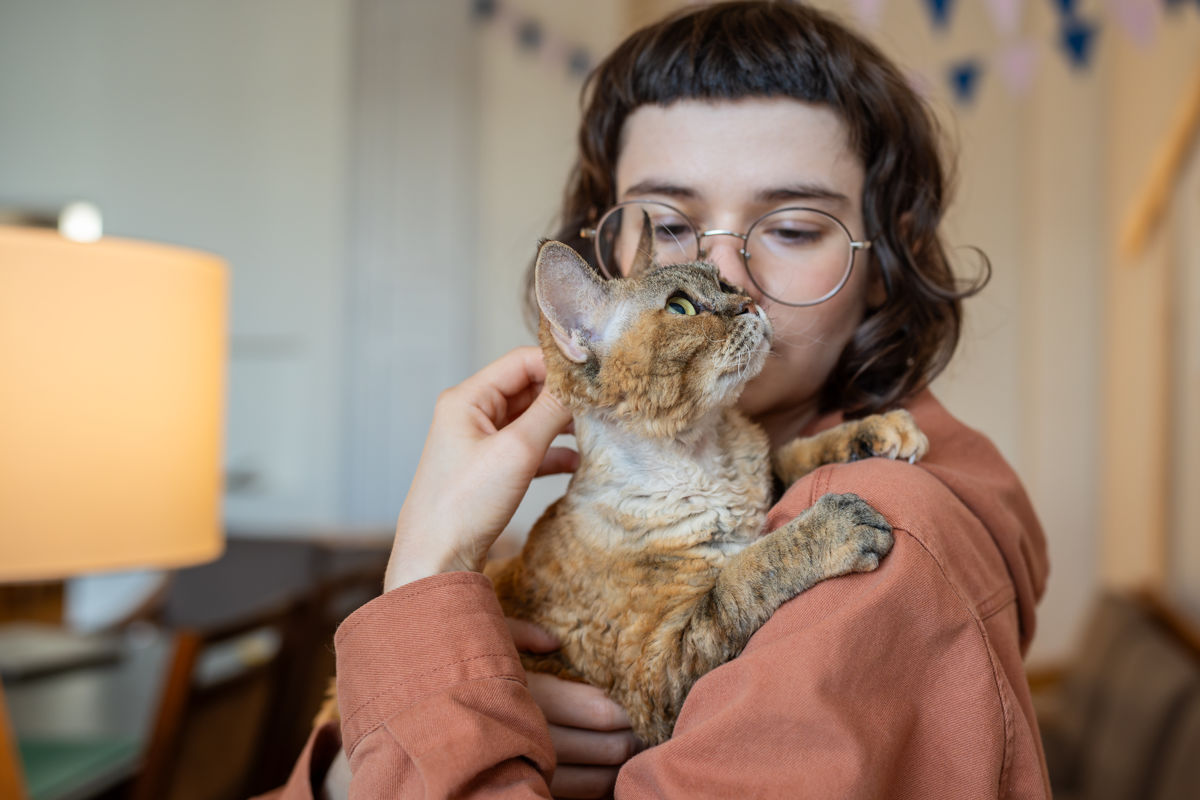
Feline Leukemia Virus (FeLV) is caused by a retrovirus that attacks the cells of the lymphatic system and can lead to tumor formation. Feline Leukemia virus does not pose a risk to humans.
How is It transmitted?
Feline Leukemia Virus is transmitted from cat to cat through bodily fluids such as saliva (through bites), urine, and nasal or ocular secretions, when infected and healthy cats live together for an extended period (playing, grooming each other, sharing the same litter box or food/water bowls), and in utero, through the placenta, to developing kittens, or through milk during nursing.
What Symptoms may appear in my Cat?
The most common clinical symptoms in a cat infected with the Leukemia virus are:
- Anorexia-Weight loss
- Dehydration-Weakness/Lethargy
- Fever
- Conjunctivitis
- Rhinitis
- Stomatitis
- Vomiting/Diarrhea
Neurological symptoms
Because the virus also attacks cells of the immune system, infected cats become more susceptible to secondary infections, which is why the symptoms can vary
Cats infected with the virus may remain asymptomatic for a considerable period of time. There are also cats that remain asymptomatic throughout their lives, spreading the virus through their bodily fluids; these cats are called carriers. Infected fetuses may die in utero before birth, be aborted, die a few days after birth, or, if they survive, remain chronically ill.
Diagnosis is based on the animal’s medical history, clinical signs, and laboratory tests. A definitive diagnosis is made through a specific blood test that detects antibodies against the virus.
How is Feline Leukemia treated?
There is no specific treatment for this disease, so prevention is of utmost importance. Treatment focuses on managing symptoms and treating secondary complications or other underlying conditions. For treatment, two additional types of medications may be administered: immunomodulators, which strengthen the immune system, and antivirals, which prevent further replication of the virus – its spread. Treatment may need to last several weeks, until the cat’s health condition stabilizes. Finally, special attention should also be given to providing the cat with a balanced, high-quality diet.
The progression and severity of the disease vary from cat to cat. The prognosis is guarded, most affected cats survive 2-3 years.

Prevention
Prevention includes keeping your cat indoors, avoiding contact with cats of unknown history, and vaccinating it against the disease (it should be noted that vaccination does not provide 100% protection from infection with the virus). Asymptomatic cats (positive) can receive regular vaccinations if their exposure to other cats is unavoidable (such as going outside the home), in order to strengthen their immune defenses. In multi-cat households, cats diagnosed with FeLV should ideally live in a separate area from the rest.
Cats diagnosed with FeLV should be confined indoors to prevent further spread of the disease, but also to protect themselves from contracting other diseases. In addition, regular veterinary check-ups for secondary infections, anemia or the development of neoplasms are essential.
 Imaging Department
 Diagnostics Department
 Internal Medicine
 Surgery Department
 Endoscopy
 Hospitalization Department
 Physical Therapy
 Nutrition
 Pharmacy