

Blog
Dermatophytosis (Ringworm)
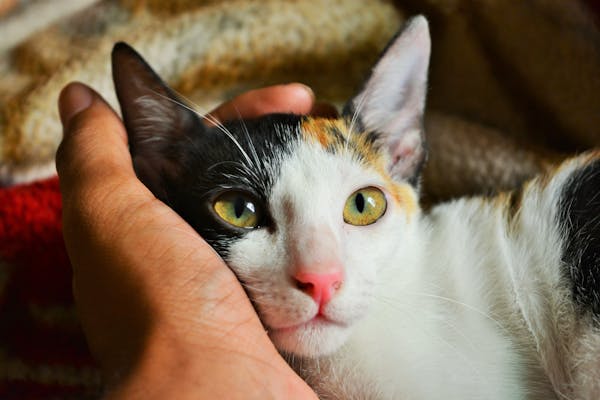
Dermatophytosis is a skin disease caused by fungi (dermatophytes). These fungi infect tissues containing keratin (outer layer of skin, hair, and nails). Ringworm is more common in cats than in dogs and is one of the diseases that can be transmitted to humans.
How Can My Pet Get Ringworm?
Transmission can occur either directly, through contact with an animal infected with dermatophytes, or indirectly, through objects such as brushes, combs, and towels that have been used on infected animals. In addition, transmission can also occur from the environment, specifically from soil contaminated with geophilic dermatophytes.
There are certain factors that make animals more susceptible to dermatophyte infection, known as predisposing factors. The most significant ones are poor nutrition, poor grooming, and a weakened immune system. An animal may be immunocompromised due to an underlying condition, such as tumors, endocrine disorders, FeLV/FIV in cats, etc.
How can I tell if my Pet has Ringworm?
Ringworm weakens the hair, causing the affected areas to become bald. This hair loss typically forms a circular pattern. The lesions may be single or multiple, and are usually found on the head, limbs, and tail.
If the nails are infected, they appear deformed and may have moist or sticky material at the base of the nail.
In infected cats, miliary dermatitis may also be observed, meaning that small dry crusts can be felt under the hair.
Warning! Some infected cats are asymptomatic; that is, although they are infected with dermatophytes, they do not show symptoms of the disease, yet they can still carry and transmit the fungi.
Diagnosis
For a definitive diagnosis, the veterinarian reviews the animal’s history and clinical condition. To confirm the diagnosis, they will inform you that they will perform a fungal culture of hair samples from the affected areas. Since dermatophytes tend to grow slowly outside the body, the results of this culture may take up to 2 weeks to come back.
A Wood’s lamp, a device that emits ultraviolet light, may also be used during diagnosis. This device is used to scan the areas where lesions are present, and if the result is positive, the lesions will fluoresce green. However, since not all dermatophytes fluoresce, and/or the fluorescence may be due to topical preparations used on the animal or due to exudate, the use of this device is supplementary to dermatophyte culture.
Treatment
Dermatophytosis is a self-limiting disease; within 2–3 months, the body can resolve it on its own. However, once diagnosed, we must proceed with treatment to prevent the fungus from spreading to other animals and the environment, as well as to provide the animal with the faster relief from symptoms. Treatment involves administering antifungal medications systemically and topically, depending on the case.
An important part of the treatment to eliminate and prevent transmission is thorough cleaning of the infected animal’s living space (cleaning bedding, rugs, air conditioner filters and other household surfaces), thoroughly cleaning the affected animal’s belongings (brushes, combs, collar, bed, toys, etc.), and treating all other animals living in the same household.
Treatment may take some time, usually 2–5 months. To complete the treatment, the animal must be monitored regularly for clinical recovery and through laboratory tests (hair cultures) to confirm that the dermatophytes have been eradicated.
 Imaging Department
 Diagnostics Department
 Internal Medicine
 Surgery Department
 Endoscopy
 Hospitalization Department
 Physical Therapy
 Nutrition
 Pharmacy