

Blog
Feline Asthma (Allergic Bronchitis)
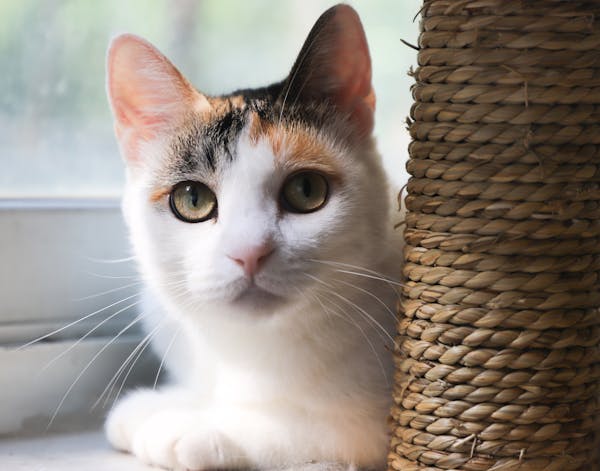
Let’s talk about Asthma in Cats
Asthma or allergic bronchitis is a respiratory disease that can occur in cats of any age. Cats with asthma experience episodes of shortness of breath, which include coughing and wheezing. Some cats may pant with their mouths open, which is unusual for cats, except in stressful situations, such as during travel.
What exactly is happening to your Cat?
The cells lining the lower respiratory tract (bronchioles) become sensitized to a specific inhaled allergen. When the allergen is inhaled, it triggers an inflammatory response, causing narrowing of the lower airways, inflammatory cells moving into the airways, and the accumulation of mucus. This condition reduces the amount of air that can move in and out of the lungs. Over time, this can cause permanent damage to the airways, which poses a significant threat to the cat’s life; therefore, cats with asthma should be re-examined regularly.
Asthma Attack
A cat with asthma may experience an asthma attack (severe breathing difficulty and cyanosis [bluish discoloration of the gums]), which requires immediate transport to a veterinary clinic to stabilize its condition. Until you arrive, try to calm the animal, avoiding excessive handling, which may exacerbate the problem. This condition can be triggered by environmental allergens, such as dust, pollen, smoke, cigarette smoke, perfumes, etc., as well as stressful situations, such as a new pet in the home, loud noises, etc.
Diagnosis of Asthma
To diagnose asthma at the Clinic, we will initially rely on the patient’s history and a clinical examination to rule out other medical conditions; however, imaging studies, blood tests, and/or bronchoscopy and collection of biopsy and smear samples may also be required for laboratory analysis.
Asthma Management
To manage asthma, medications are available that reduce the frequency and severity of symptoms. Cats with frequent and severe episodes of respiratory distress may be treated with corticosteroids and/or bronchodilators. For cats whose symptoms are linked to a specific time of year, medication may be administered only during that period. We always take care to limit our pet’s exposure to environmental factors that may trigger asthma symptoms, such as:
- Cigarette smoke
- Failure to regularly clean and/or replace air conditioning filters
- Ineffective control of mold and dust in the home
- Use of perfumes, hairspray, and air fresheners
- Use of non-hypoallergenic household cleaners
- Infrequent cleaning of the cat’s litter box
- Poor ventilation of the cat’s litter box area.
Remember:
Feline asthma is not curable, but most cats have a good prognosis. Early diagnosis and regular monitoring by your veterinarian are key to effective disease management, helping your cat live a happy and comfortable life.
 Imaging Department
 Diagnostics Department
 Internal Medicine
 Surgery Department
 Endoscopy
 Hospitalization Department
 Physical Therapy
 Nutrition
 Pharmacy